Heavy Equipment Towing vs. Heavy Equipment Hauling: What's the Difference in 2026?
Many contractors in the Dayton, OH, area deal with this exact confusion every construction season. Heavy equipment towing and hauling are often used interchangeably, but they refer to distinct operations with different triggers, equipment, and permit requirements. Knowing which one you need before you make the call can prevent costly delays across the busy I-70 and I-75 construction corridors running through the greater Dayton region.
Defining Heavy Equipment Towing
Heavy equipment towing is the response to an unplanned problem. When machinery breaks down, gets stuck, or becomes disabled on a jobsite or roadway, towing is the service that recovers and relocates it. The equipment typically cannot move under its own power, and the goal is to get it to safety as efficiently as possible.
Common situations that call for heavy equipment towing include a bulldozer suffering a mechanical failure on an active worksite, an excavator mired in soft ground near a drainage project, or a heavy-duty commercial truck broken down on a state route. Because these situations happen without warning, providers must be available around the clock and may need to work around soft terrain, tight spaces, or live traffic.
What Is Heavy Equipment Hauling?
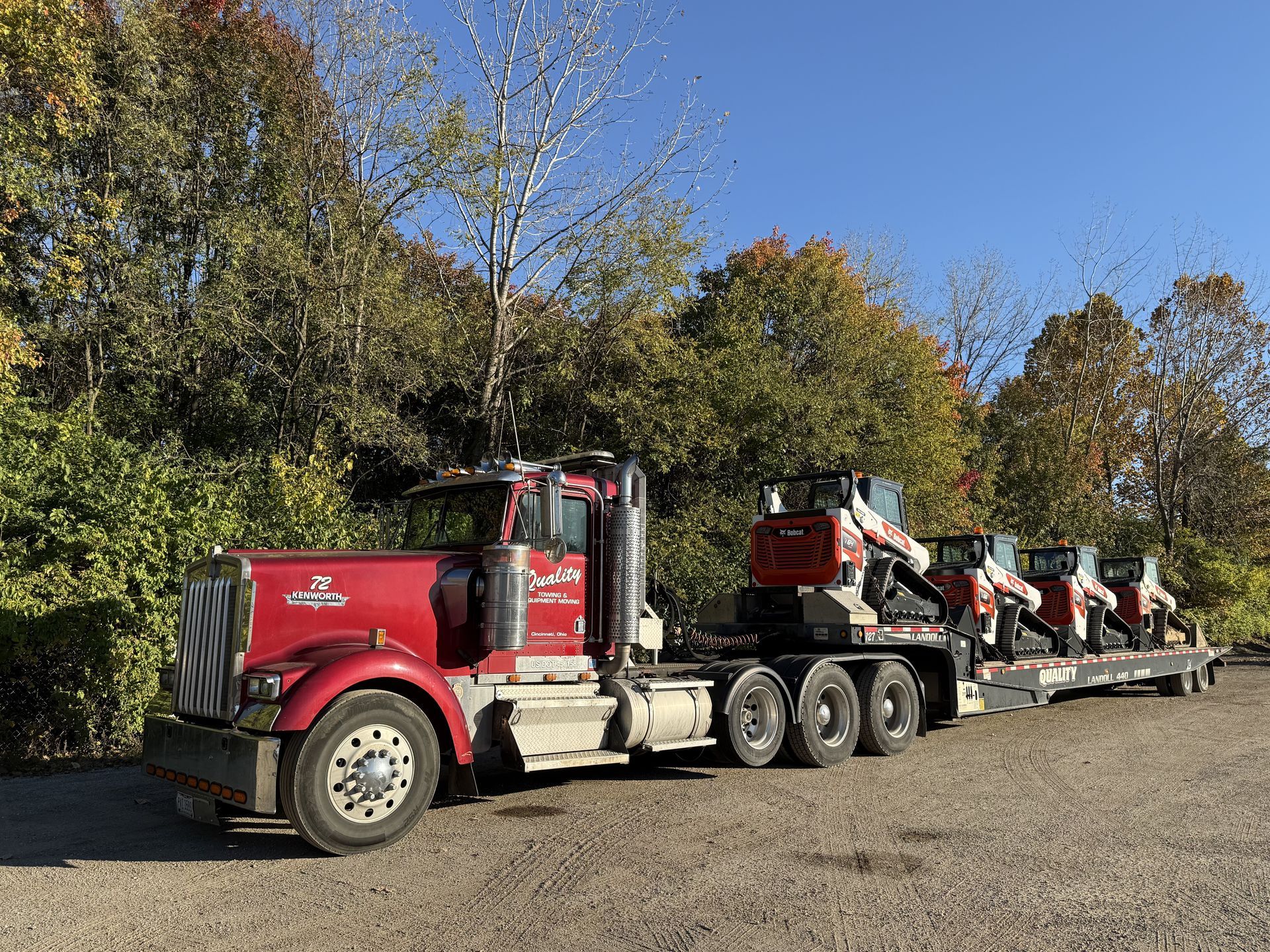
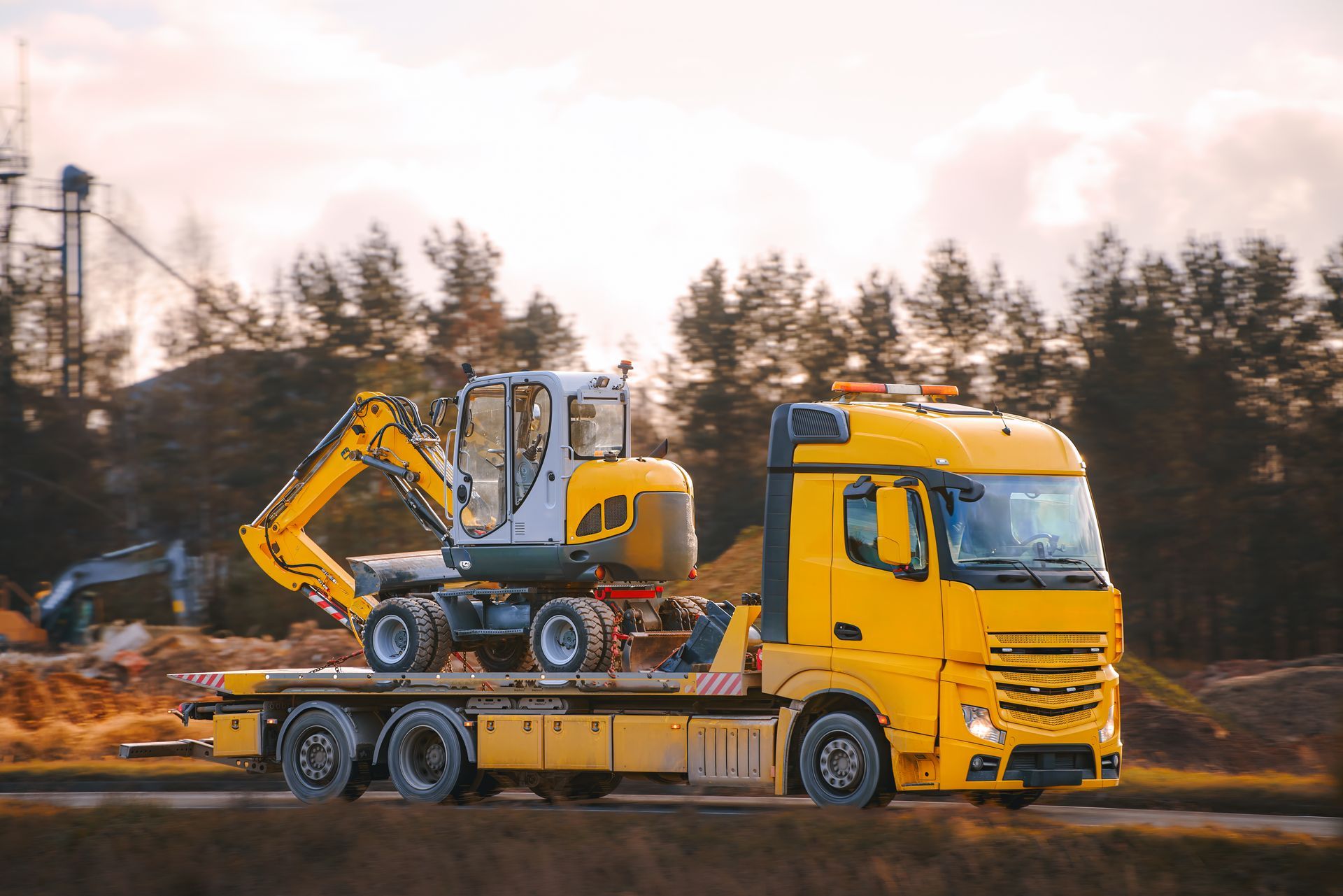
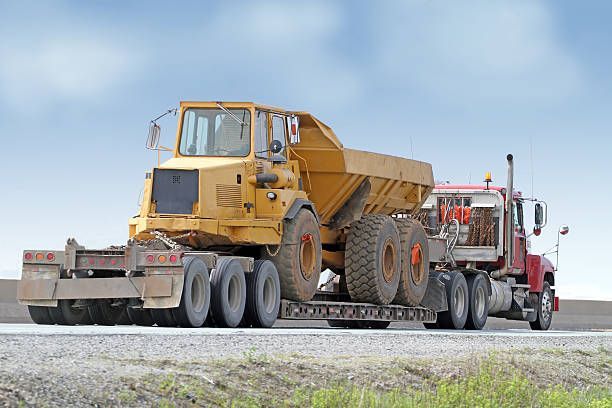
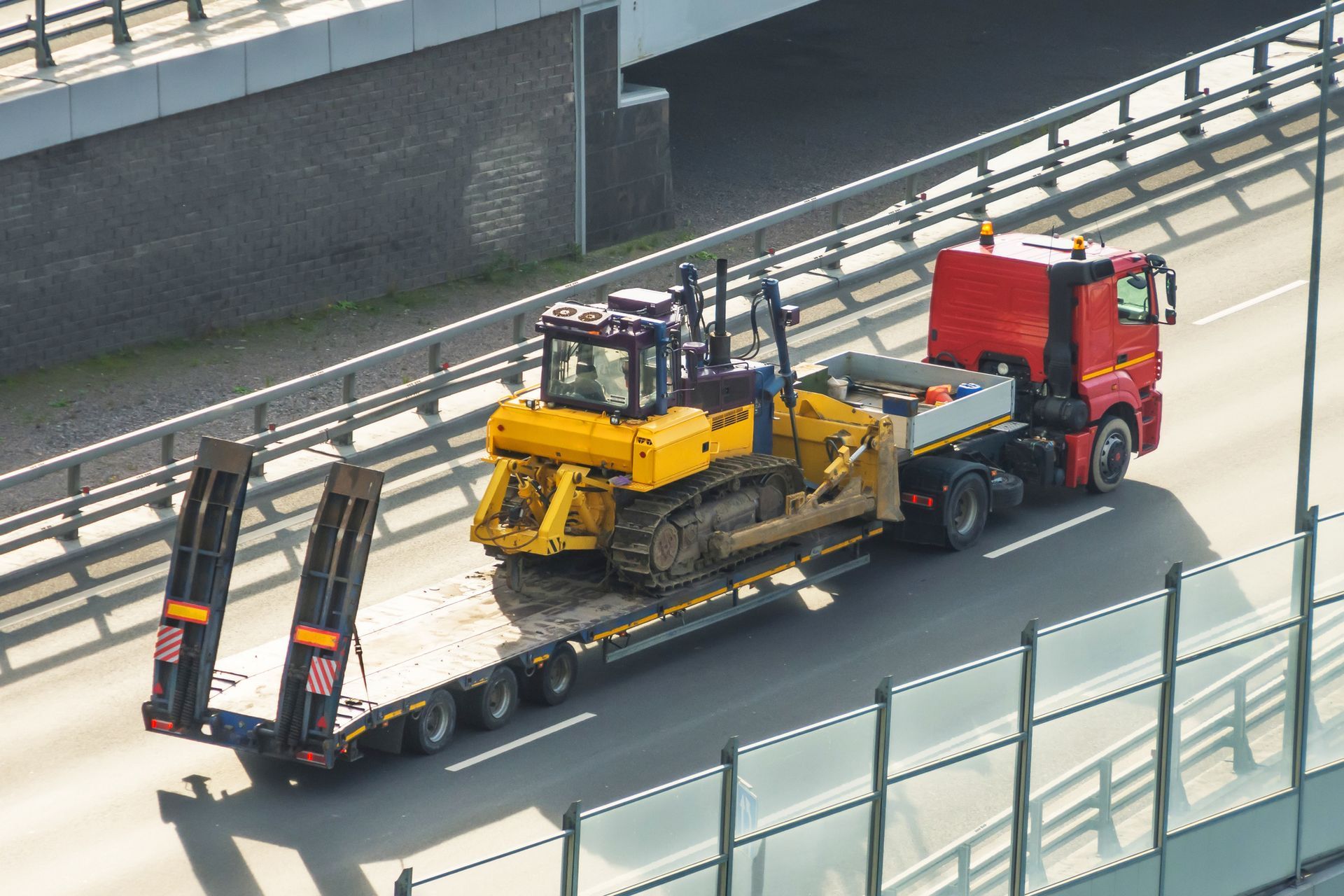
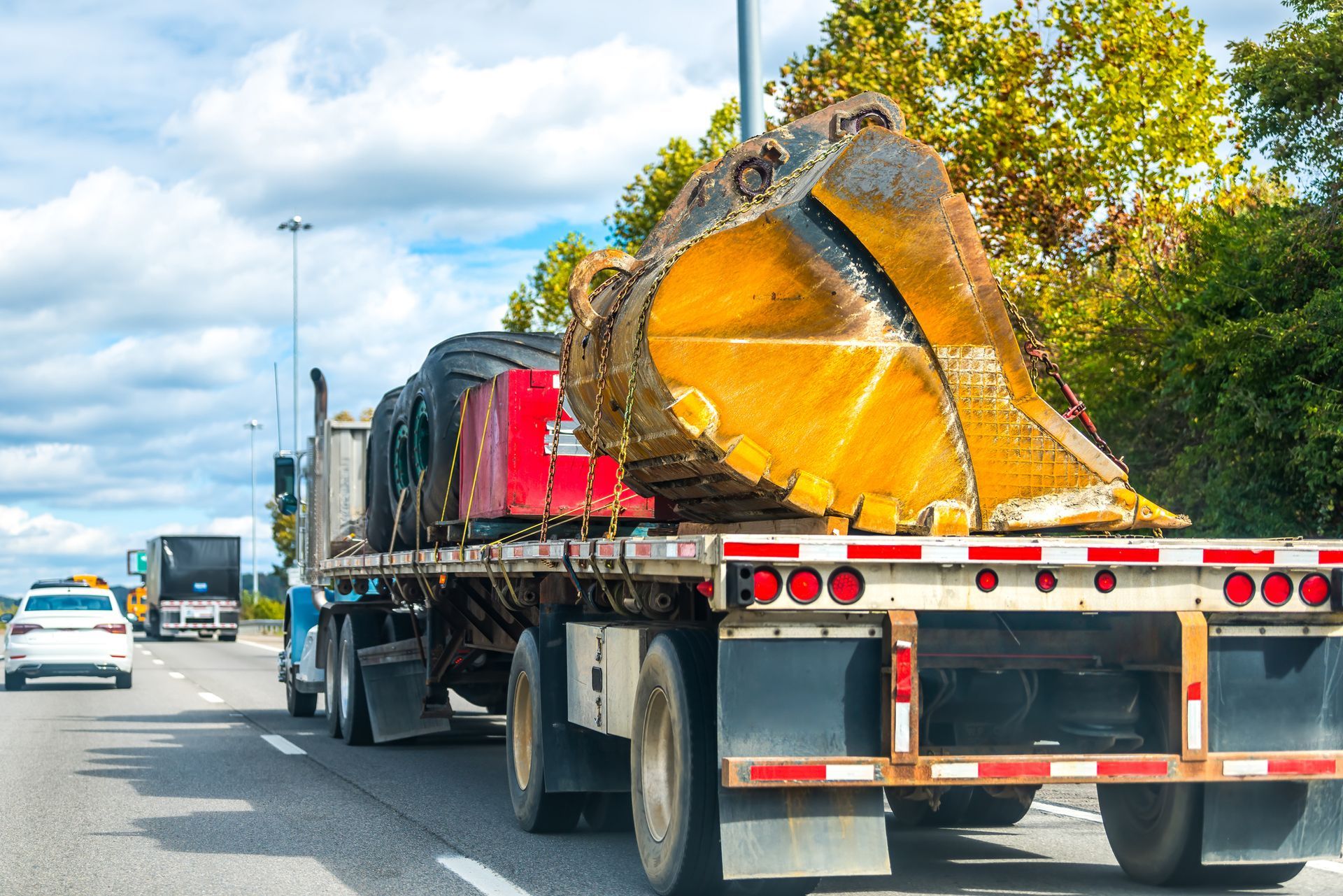
Heavy equipment hauling is a planned, scheduled service. The machinery is fully operational but needs to be transported between jobsites, to a storage yard, or from a point of purchase. The equipment is loaded, secured, and moved on a specialized trailer as part of a coordinated logistics plan.
Hauling is the right call when a contractor needs to move an excavator to a new Dayton-area site, deliver a newly purchased bulldozer before Monday's start, or reposition a crane between phases of a large infrastructure project. Because hauling is pre-planned, it allows time to arrange the right trailer, confirm weight and dimension requirements, and coordinate the move down to the hour.
Why the Distinction Matters on Dayton-Area Jobsites
Dayton, OH, sits at the crossroads of two major interstate systems, and construction activity in Montgomery County continues to grow. Projects along SR-4, the I-675 extension zones, and commercial corridors in Beavercreek and Miamisburg regularly involve heavy iron that may need to move on short notice.
The distinction matters for your project budget and timeline. Calling for a scheduled haul during an unplanned recovery creates a mismatch in equipment and delays your response. Calling for emergency towing when a pre-planned haul would do may mean paying a premium unnecessarily. Understanding which service fits your situation protects both your schedule and your bottom line.
Ohio Permit Considerations for Oversized Equipment Transport
Both towing and hauling may trigger Ohio oversized load permit requirements, and this is an area where many contractors get caught off guard.
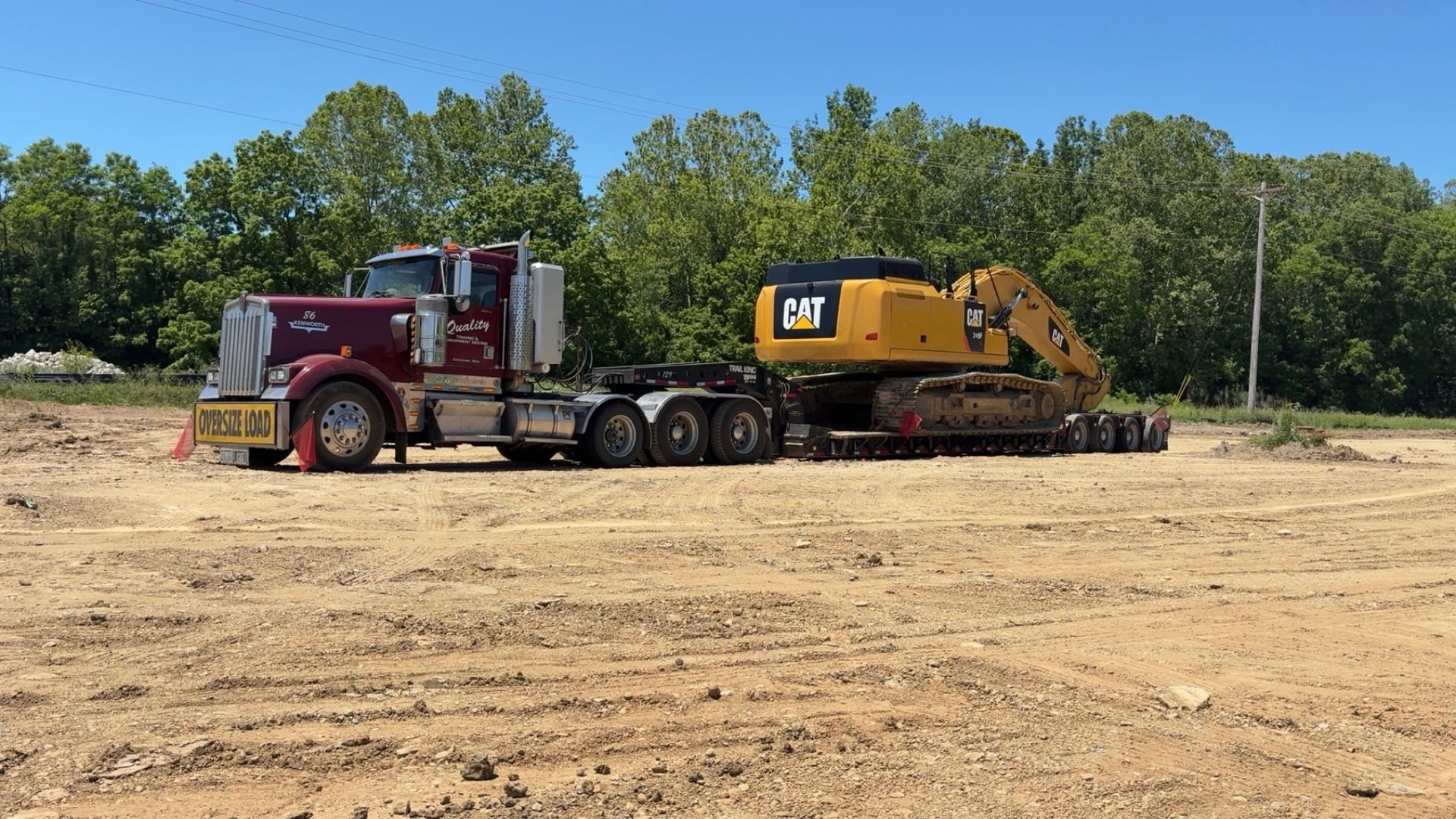
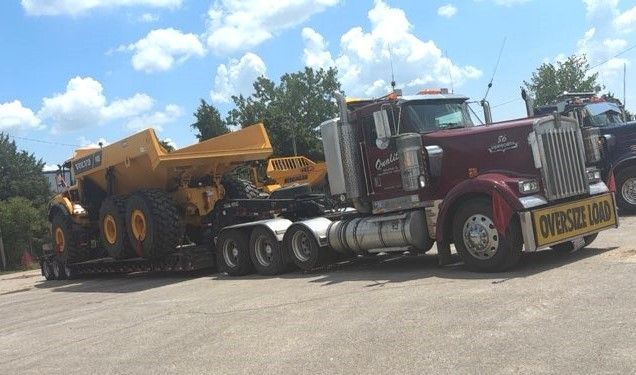
Oversized loads traveling on Ohio's state, federal, or interstate highways must receive a Special Hauling Permit from ODOT. Oversized loads traveling on county, township, or city streets must contact the entity over each impacted street.
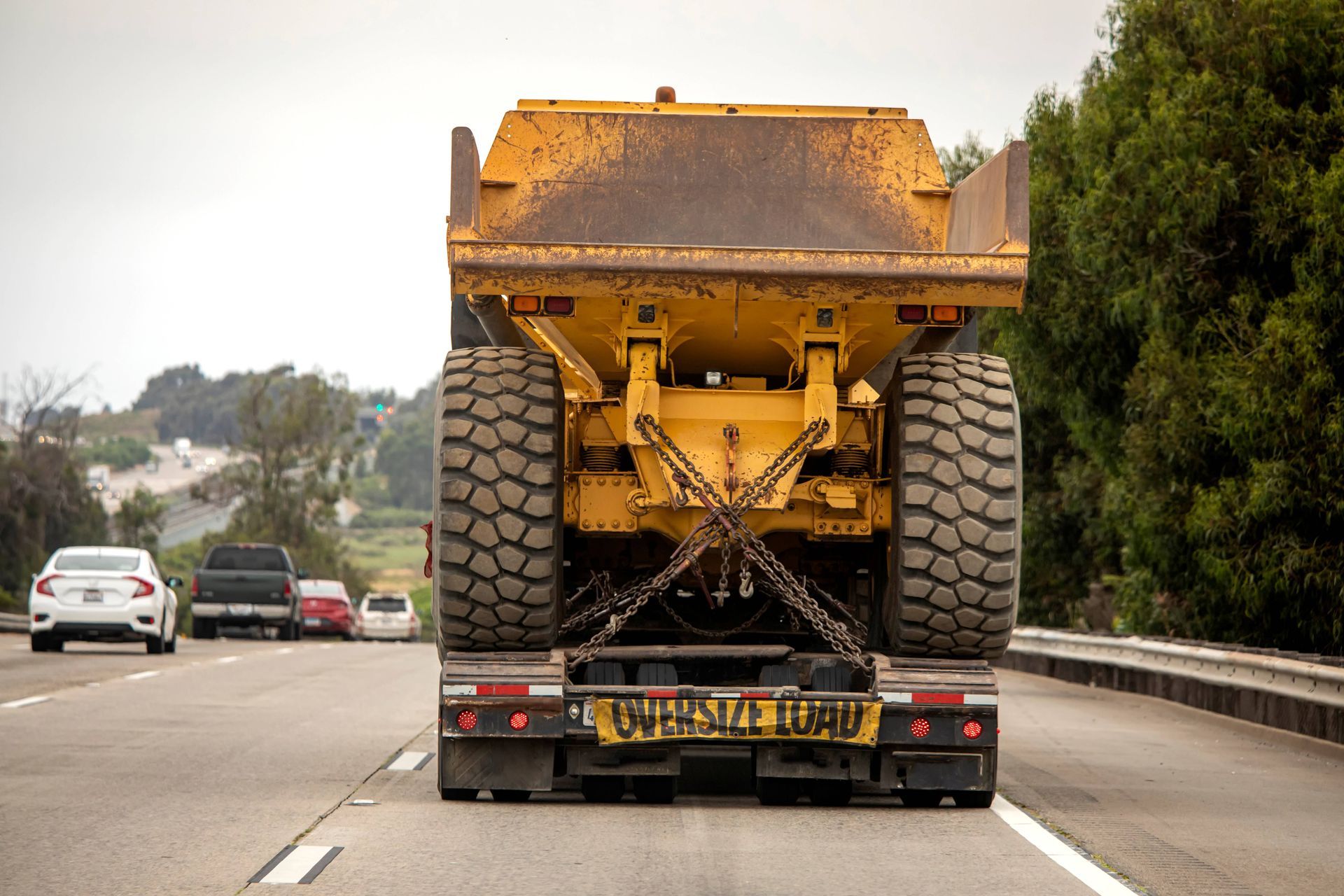
The legal limits are 80,000 pounds, 53 feet long, 13.5 feet high, and 8.5 feet wide. If your vehicle exceeds those numbers, it is likely overweight or hauling an oversize load. When escort vehicles are required by a Special Hauling Permit, Ohio mandates a yellow "OVERSIZE LOAD" warning sign that is 5 feet long by 12 inches high with 8-inch high letters.
For planned hauling, permits can typically be arranged in advance. For emergency towing, experienced providers navigate these requirements quickly so the response is not delayed by paperwork.
Does Towing Always Require a Permit in Ohio?
Not every equipment tow triggers a permit, but many do. Whether one is needed depends on the size and weight of the machine, the route taken, and whether load dimensions exceed Ohio's legal standards. A qualified provider can assess the permit situation as part of the initial response and coordinate any required documentation.
Can the Same Truck Handle Both Towing and Hauling?
Sometimes, but not always. Recovery operations often require specialized rigging, rotators, or underlift equipment to safely extract a disabled machine. Planned hauling typically uses lowboys, step decks, or other purpose-built transport trailers. A full-service provider maintains a varied fleet so the right equipment arrives for the right situation.
Choosing the Right Service for Your Situation
The fastest way to decide is to ask one question: is the equipment disabled right now, or is it working fine and just needs to get somewhere? If it is disabled, you need towing. If it is operational and scheduled for a move, you need hauling. Both require experienced operators, appropriate permits when applicable, and heavy-duty specialized equipment.
Get the Right Help Serving Dayton, OH
When a piece of equipment goes down or a move needs to happen, the right provider makes all the difference. Quality Towing and Equipment Moving brings over 32 years of experience in heavy equipment transport and recovery, serving the Dayton, OH, area with both scheduled hauling and emergency towing capability. The team is available around the clock, fully registered with ODOT and U.S. DOT, and equipped to handle everything from excavators to cranes and commercial trucks.
Whether you need a planned haul coordinated for next week or a recovery response right now, reach out via the contact page. Call (513) 777-6622 or (800) 231-3974 to speak with the team directly and get your equipment moving safely.